Roblox in 2026 is no longer defined by any single genre or age group. It has matured into a global, social-first gaming ecosystem where the most successful experiences feel less like traditional games and more like living online worlds. Titles at the top of the charts today sustain hundreds of thousands to millions of daily active users, driven by social interaction, continuous updates, and player-driven economies.
What sets Roblox apart from other platforms is how quickly games can scale when the fundamentals are right. The biggest hits don’t rely on high-end visuals or complex controls. They win because they understand player behavior: short onboarding, strong social hooks, visible progression, and a monetization model that feels optional yet aspirational. This is why many of the top Roblox titles now operate with the mindset of MMOs and live-service games, rather than one-off experiences.
As a developer with experience in multiplayer, MMO-style, and live games, the change is obvious. In 2026, Roblox’s success comes from:
- Retention-focused core loops
- Community-led growth and creator influence
- LiveOps strategies that keep content fresh without bloating scope
This same approach is what we follow at StudioKrew while delivering game development services for startups, brands, and creators looking to build scalable experiences. By leveraging our proprietary development processes and technical expertise, we deliver robust, innovative solutions tailored to our clients’ needs. StudioKrew is trusted by numerous notable clients and treats Roblox seriously as a platform that rewards long-term thinking. This unique value proposition is what separates games that trend briefly from those that dominate year after year.
In this blog, we break down the Top 5 Games on Roblox in 2026 and analyze what actually makes them famous. Each game is reviewed through a consistent developer lens, covering gameplay design, DAU and MAU trends, revenue models, and practical takeaways for anyone planning to work with a Roblox game development company or build a successful Roblox title themselves. If you’re inspired by these insights and are considering launching your own Roblox project, we invite you to reach out to us. Whether you have a project idea or need consultation, our team at StudioKrew is here to help you take the next step toward realizing your vision.
How We Selected the Top Roblox Games of 2026
Ranking Roblox games in 2026 is more than just looking at total visits. As the platform has grown, long-term engagement matters more than short-term spikes. The top games today are those that do well in usage, retention, and monetization—not just those that are briefly popular.
For this list, we applied the same evaluation lens we use internally at StudioKrew when planning or reviewing Game for Roblox development services for clients targeting scale.
1. Daily Active Users (DAU) and Monthly Active Users (MAU)
The first filter was sustained player activity. Games included here demonstrate:
- Strong daily concurrency over long periods, not just during updates
- Healthy DAU-to-MAU ratios, indicating players return frequently rather than dropping after the first session
Where exact numbers aren’t officially published, we relied on public concurrency dashboards, long-term trend analysis, and creator disclosures, using ranges rather than inflated claims.
2. Retention and Core Gameplay Loop
High DAU only matters if players stay. Each shortlisted game shows a clear, repeatable loop:
- Short onboarding time
- Immediate player agency
- Long-term progression or social motivation
This is an important lesson for anyone building Roblox games in 2026: designing for player retention is now more important than just adding lots of content.
3. Monetization Maturity
We evaluated how revenue is generated and sustained:
- Game passes, cosmetics, boosts, and premium perks
- Event-driven purchases rather than aggressive paywalls
- Monetization that complements gameplay instead of interrupting it
We left out games that depend only on forced purchases or short-term spikes.
Know more about Monetization Models, read: Monetization in Games: Choosing the Right Approach
4. LiveOps and Update Cadence
Every game on this list operates as a live service:
- Regular updates (weekly, bi-weekly, or seasonal)
- Time-limited events and rewards
- Ongoing balancing and feature evolution
Focusing on LiveOps is now essential for anyone building or using Roblox game development services at scale.
5. Community and Creator Ecosystem
Finally, we assessed how each game leverages:
- Social interaction and multiplayer dynamics
- Roleplay or co-op mechanics
- Content creators and streaming visibility
Games that let communities shape the experience usually do better than those built in isolation.
3. Top 5 Roblox Games in 2026 – A Snapshot of Long-Term Platform Leaders
Before diving into individual game analyses, it’s important to understand what this list represents.
The Top 5 games in this article weren’t chosen for short-term chart success. Instead, they are Roblox experiences that have shown long-term strength, with steady high user numbers, strong LiveOps, and reliable revenue year after year.
For an experienced Roblox game development company, these games show what real, scalable success on the platform looks like in 2026.
All the numbers below come from long-term player trends, public Roblox data, creator reports, and past performance. We use ranges to show steady engagement, not just short-term spikes.
| Rank | Game Name | Core Genre | Avg DAU | Monetization Model | Why It Matters |
| 1 | Brookhaven RP | Social Roleplay | ~700K–1M+ | Game Passes, Roleplay Perks | Most consistent social DAU on Roblox |
| 2 | Adopt Me! | Pet Economy Simulator | ~300K–600K | Pets, Eggs, Limited Events | One of Roblox’s highest lifetime earners |
| 3 | Blox Fruits | Action RPG / MMO | ~400K–800K | Boosts, Fruits, Progression Passes | Proof that MMO-depth scales on Roblox |
| 4 | Tower of Hell | Skill-Based Obby | ~200K–400K | Cosmetics, Visual Perks | Replayability without pay-to-win |
| 5 | Pet Simulator 99 | Idle / Economy Simulator | ~250K–500K | Premium Currency, Passes | Most refined monetization system on Roblox |
What This Snapshot Reveals
Even without deep analysis, a few patterns stand out clearly:
- Social systems outperform content volume
Games like Brookhaven RP show that player-driven interaction can sustain higher DAU than feature-heavy designs. - Economy design drives longevity
Adopt Me! and Pet Simulator 99 demonstrate how scarcity, trading, and event-based rewards extend player lifetime and revenue. - Depth works when progression is meaningful
Blox Fruits proves that Roblox players will commit to complex systems when rewards feel earned and visible. - Skill-based games can thrive without aggressive monetization
Tower of Hell maintains massive engagement through mastery and competition alone.
These insights closely mirror how scalable experiences are architected when delivering Game for Roblox development services, with retention, economy balance, and LiveOps considered from day one.
Why Roblox Top Charts Look Different in 2026 (And Why That’s Intentional)
If you regularly browse Roblox’s Top Charts or Popular Experiences, you may notice something that feels contradictory at first glance. Many of the games ranking at the top today don’t look like the long-term leaders discussed earlier. Instead, the charts are often dominated by titles built around brainrot mechanics, RNG systems, admin powers, or ultra-simple tap-and-idle loops.
This isn’t an error in Roblox’s rankings – it’s a reflection of how the platform has evolved.
The Two Layers of Roblox Success in 2026
From a development and platform-strategy perspective, Roblox now operates on two parallel success layers, each optimized for different outcomes.
1. Viral Chart-Toppers (Short-Term Velocity Games)
These are the games most frequently seen in the Top Charts at any given moment.
They are designed to:
- Maximize click-through rates with bold thumbnails and titles
- Deliver instant gratification within the first minute
- Encourage rapid retries and impulse spending
- Leverage TikTok, Shorts, and Roblox’s discovery algorithms
Most brainrot simulators, admin abuse games, luck-based experiences, and one-tap loops fall into this category. They are extremely effective at short-term visibility, but often experience high churn and fast replacement cycles.
For developers and brands, these games are useful when the goal is fast exposure or experimentation, especially when working with teams offering Game for Roblox development services that understand viral mechanics and algorithmic behavior.
2. Long-Term DAU Leaders (Sustainable Platform Games)
The second layer consists of games built for durability, not spikes.
These titles:
- Maintain stable DAU and MAU across years
- Operate consistent LiveOps pipelines
- Support deep social systems or virtual economies
- Generate repeat revenue over long player lifetimes
Games like Brookhaven RP, Adopt Me!, Blox Fruits, and Pet Simulator 99 may not always sit at the top of the “Popular Today” list, but they dominate where it matters most:
- Total playtime
- Player loyalty
- Lifetime value
- Business sustainability
For a Roblox game development company, these games are built with long-term planning, scalable systems, fair monetization, and strong community growth.
Why This Distinction Matters
Understanding this split is essential before deciding what kind of Roblox game to build.
- If the goal is rapid chart visibility, viral mechanics matter most.
- If the goal is long-term revenue and retention, social design, economies, and LiveOps matter far more.
- If the goal is to achieve both, the game must be architected carefully from day one.
At StudioKrew, Roblox projects are approached with this distinction in mind – aligning gameplay, monetization, and LiveOps strategy based on whether the objective is short-term velocity, long-term dominance, or a hybrid of both.
What This Blog Focuses On
The Top 5 games in this article are long-term successes. They’ve lasted through many trends and are still growing in 2026, making them great examples for developers, brands, and studios who want to build serious Roblox projects.
Next, we’ll look at the common success patterns these games share, patterns that work for both long-term leaders and newer, fast-growing games.
#1 Brookhaven RP – How Social-First Design Built Roblox’s Most Played Game
Overview: What Brookhaven RP Is About
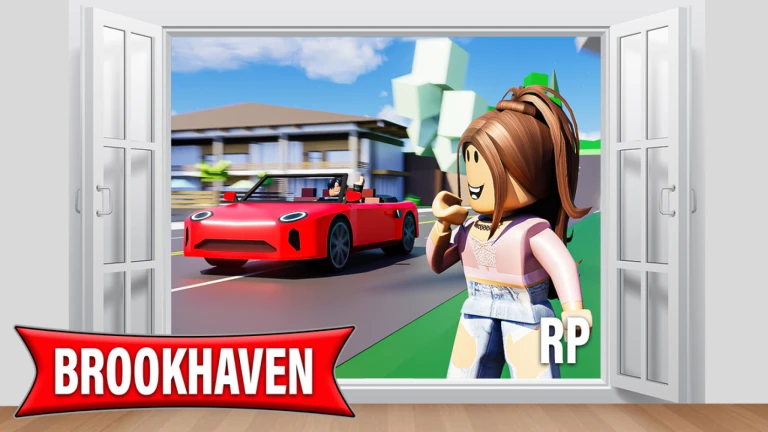
Brookhaven RP is a social roleplay experience built around one simple idea: maximum freedom with minimal friction. Players spawn into an open city, choose a role, customize their avatar and home, and immediately start interacting with others, no tutorials, no objectives forcing progression.
From a development standpoint, Brookhaven is intentionally lightweight. There are no complex combat systems, no deep skill trees, and no mandatory grind. That simplicity is the product, and it’s precisely why the game scales so well.
Why Brookhaven Became Massively Popular on Roblox
Brookhaven’s popularity isn’t accidental; it’s engineered around social density.
- Players can start roleplaying within seconds of joining
- The city layout encourages constant player encounters
- Content creators can invent stories without mechanical constraints
This makes Brookhaven extremely streamable. YouTube and TikTok clips, family RP, police chases, school stories, drive organic discovery at a pace most traditional Roblox games can’t match. For any Roblox game development company, Brookhaven is a reminder that virality often comes from social narratives, not mechanics.

Gameplay Systems That Drive Retention
Brookhaven’s retention doesn’t rely on progression bars; it relies on human interaction.
Key retention drivers include:
- Persistent identity (avatar, house, vehicles)
- Social status expression through cosmetics and access
- Endless replayability driven by other players, not content drops
Because every session depends on who else is online, no two playthroughs feel the same. This design significantly improves DAU consistency without increasing content production costs, a strategy often recommended when planning scalable Game development services for Roblox.
Monetization & Revenue Model
Brookhaven monetizes through non-intrusive roleplay enhancements:
- Game passes for premium vehicles and housing options
- Cosmetic and access-based perks
- No pay-to-win mechanics
This model works because purchases enhance expression and status, not power. Players buy because they want to stand out socially, not because they’re blocked. It’s a clean example of ethical monetization that still performs at scale.
DAU, MAU & Growth Signals (2025–2026)
Based on long-term public concurrency trends:
- DAU: ~700K to 1M+ on strong days
- MAU: Several million unique players monthly
- Exceptionally stable DAU/MAU ratio compared to content-heavy games
Brookhaven rarely spikes dramatically, and that’s the point. Its success comes from consistency, not seasonal hype.
Estimated Earnings & Business Impact
While exact revenue figures aren’t public, multiple industry analyses and creator economy reports suggest Brookhaven generates multi-million-dollar annual earnings, driven by:
- High DAU at low infrastructure complexity
- Strong conversion on roleplay-focused passes
- Minimal content maintenance overhead
From a business perspective, Brookhaven offers one of the highest ROI models on Roblox.
Key Takeaways for Roblox Game Developers
Brookhaven proves that:
- Social systems can outperform complex gameplay
- Retention doesn’t always require progression mechanics
- Monetization works best when tied to identity, not advantage
For teams planning to build a scalable experience with a Roblox game development company, Brookhaven is a textbook case of how simplicity, social design, and smart monetization can outperform feature-heavy builds.
#2 Adopt Me! – How a Player-Driven Economy Turned a Roblox Game into a Long-Term Business
Overview: What Adopt Me! Is About
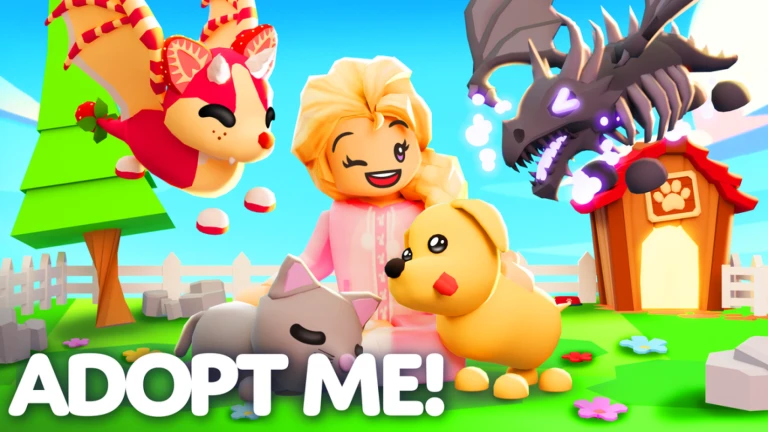
Adopt Me! is a pet-centric social simulation where players hatch, raise, trade, and collect pets inside a shared city world. On the surface, the gameplay feels simple. Underneath, it runs one of the most sophisticated virtual economies ever built on Roblox.
The core loop is intuitive: play, earn currency, acquire pets, trade, repeat. But the depth comes from how progression, rarity, and social interaction are layered together.
Why Adopt Me! Became Massively Popular on Roblox
Adopt Me’s rise is rooted in emotional attachment + scarcity design.
- Pets are more than collectibles; they are identity markers
- Limited-time eggs and events create urgency
- Trading introduces player-driven value and negotiation
This combination turns casual players into long-term participants. For creators and streamers, trading rare pets and showcasing collections fuels endless content that continuously fuels discovery across YouTube and TikTok.
From a Roblox game development company standpoint, Adopt Me demonstrates how emotional design can outperform mechanical complexity.

Gameplay Systems That Drive Retention
Adopt Me’s retention engine is its economy.
Key systems include:
- Pet rarity tiers that shape long-term goals
- Aging and upgrading mechanics that reward repeated sessions
- Trading systems that create social dependency
Players don’t log in “to finish content”; they log in to maintain value, checking trades, preparing for events, or improving their collection. This results in churn that is significantly lower than in content-driven games.
This is a pattern we often recommend when architecting games for Roblox development services, prioritizing longevity over short-term spikes.
Monetization & Revenue Model
Adopt Me monetizes primarily through:
- Egg purchases tied to limited events
- Premium pets and accessories
- Event-exclusive cosmetics
Crucially, monetization is tied to chance, timing, and rarity, not raw power. Spending feels optional yet highly attractive during events, driving strong revenue bursts without damaging player trust.
DAU, MAU & Growth Signals (2025–2026)
Based on long-term platform trends and public reporting:
- DAU: ~300K–600K on average
- MAU: Several million unique players monthly
- Strong event-driven concurrency spikes layered over a stable base
Even years after launch, Adopt Me maintains remarkable engagement consistency, which is rare for economy-based games.
Estimated Earnings & Business Impact
Adopt Me is widely regarded as one of the highest-earning Roblox games of all time, with reported historical revenues reaching tens of millions of dollars annually at peak years, and continued strong earnings into 2025–2026.
What makes this impressive is not just the size of the revenue, but its durability. The game’s economy allows it to monetize repeatedly without resetting player progress.
Key Takeaways for Roblox Game Developers
Adopt Me highlights several critical lessons:
- Virtual economies need clear scarcity and sinks
- Trading systems massively extend player lifetime
- Emotional attachment increases monetization tolerance
For studios or brands working with a Roblox game development company, Adopt Me proves that economy design is a business strategy, not just a gameplay feature.
Economy Design and Monetization
Designing a sustainable in-game economy requires the same thinking behind Adopt Me and Pet Simulator 99. StudioKrew engineers trading systems, scarcity loops, and event-based reward mechanics for Roblox and mobile games.
See How We Build Game Economies#3 Blox Fruits – How Deep Progression Turned an Anime RPG into a Roblox MMO Giant
Overview: What Blox Fruits Is About
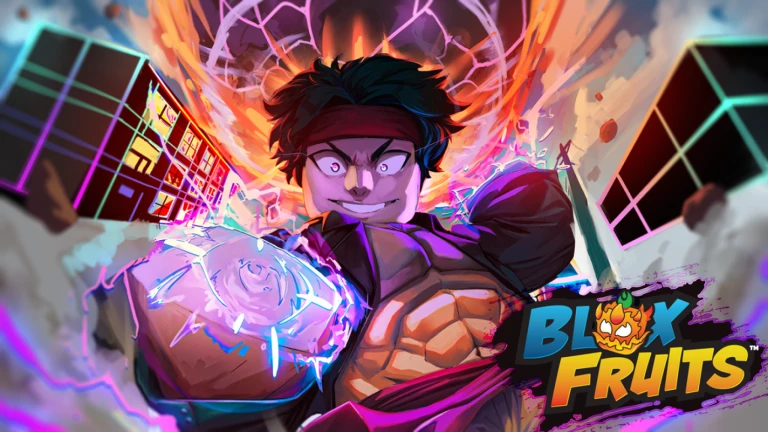
Blox Fruits is an anime-inspired action RPG that blends open-world exploration, PvE grinding, and competitive PvP into a long-term progression experience. Players explore islands, defeat bosses, unlock abilities (Fruits), and steadily increase stats, very much in the spirit of classic MMO design.
Unlike lightweight social games, Blox Fruits commits fully to depth. It asks players to invest time, learn systems, and master combat, then rewards that investment with power, status, and access to new content tiers.
Why Blox Fruits Became Massively Popular on Roblox
Blox Fruits succeeds because it brings MMO-grade progression to a platform often associated with short sessions.
- Clear power growth keeps players motivated
- Familiar anime themes reduce learning friction
- PvP creates long-term mastery goals beyond PvE content
For many players, Blox Fruits becomes a main game rather than a side experience. From a Roblox game development company perspective, this proves that players on Roblox will commit to complexity, as long as the reward curve is well-tuned.

Gameplay Systems That Drive Retention
Retention in Blox Fruits is driven by layered progression rather than social dependency.
Key systems include:
- Level-based stat progression with visible power gains
- Rare Fruit acquisition that reshapes playstyle
- Island-based content gating that creates long-term goals
- PvP encounters that test mastery, not just grind time
Players always have a reason to log back in, level up, chase a rare Fruit, or improve PvP performance. This design produces longer average session lengths than most Roblox games.
Monetization & Revenue Model
Blox Fruits monetizes through time-saving and enhancement mechanics, including:
- XP and stat boosts
- Fruit storage and reroll conveniences
- PvP and progression-related passes
Importantly, monetization accelerates progress without locking content behind hard paywalls. Skilled players can still compete without spending, which keeps the competitive ecosystem healthy.
This balanced approach is often recommended in Game for Roblox development services when building progression-heavy experiences.
DAU, MAU & Growth Signals (2025–2026)
Based on long-term public concurrency patterns:
- DAU: ~400K–800K depending on updates
- MAU: Several million monthly players
- Strong spikes during major updates, followed by a high baseline
Blox Fruits consistently ranks among the top RPG experiences on Roblox, especially during PvP-focused content releases.
Estimated Earnings & Business Impact
While exact figures are private, industry tracking and creator disclosures suggest Blox Fruits generates multi-million-dollar annual revenue, driven by:
- High engagement time per user
- Strong conversion on progression boosts
- Repeat spending over long player lifetimes
From a business standpoint, Blox Fruits demonstrates how depth increases LTV when paired with fair monetization.
Key Takeaways for Roblox Game Developers
Blox Fruits reinforces several key principles:
- Roblox players will invest deeply when progression feels meaningful
- PvP dramatically extends a game’s lifespan
- Monetization works best when it saves time, not skill
For teams working with a Roblox game development company to build MMO-style experiences, Blox Fruits is proof that complex systems can scale on Roblox when engineered carefully.
#4 Tower of Hell – How Pure Skill and Replayability Sustain Massive DAU on Roblox
Overview: What Tower of Hell Is About
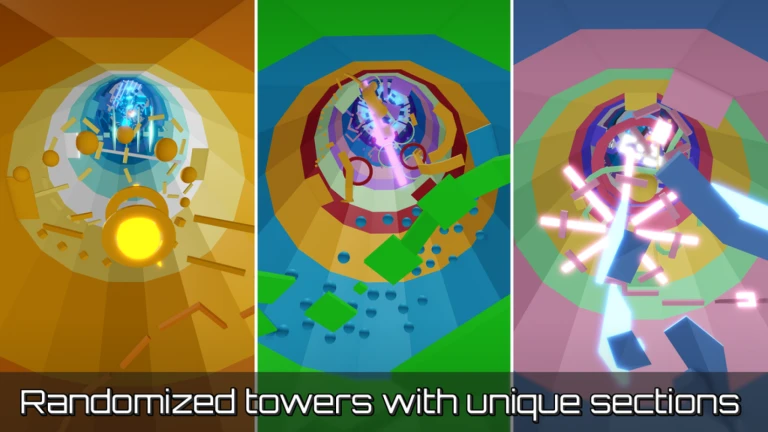
Tower of Hell is a fast-paced, procedurally assembled obstacle (obby) game where players race to climb a randomly generated tower, without checkpoints. Every round is time-bound, competitive, and unforgiving, which is exactly the point.
From a systems perspective, Tower of Hell is deceptively simple. There’s no story, no progression tree, and no grind. The game’s depth comes from mechanical mastery and the constant pressure of competition.
Why Tower of Hell Became Massively Popular on Roblox
Tower of Hell exploded because it taps into a universal player motivation: prove your skill.
- No checkpoints means every mistake matters
- Randomized stages prevent memorization
- Public leaderboards and timers fuel competition
This design makes the game highly shareable. Speedruns, rage moments, and clutch finishes perform exceptionally well on streaming platforms, creating organic discovery without paid promotion. For any Roblox game development company, Tower of Hell is a reminder that the challenge itself can be the content.

Gameplay Systems That Drive Retention
Retention in Tower of Hell is driven by self-improvement loops, not progression rewards.
Key retention mechanics include:
- Short, repeatable sessions with clear win/loss outcomes
- Immediate feedback on player mistakes
- Competitive comparison against other players in real time
Players don’t return to unlock content; they return to get better. This leads to strong replay rates even without traditional LiveOps content drops, a rare achievement on Roblox.
Monetization & Revenue Model
Tower of Hell’s monetization is intentionally minimal:
- Cosmetic effects and visual enhancements
- Minor quality-of-life perks (e.g., visual clarity, effects toggles)
- No pay-to-win advantages
This approach protects competitive integrity while still generating revenue through self-expression, a model often recommended in Game for Roblox development services, where fairness is central to gameplay.
DAU, MAU & Growth Signals (2025–2026)
Based on long-term concurrency trends:
- DAU: ~200K–400K consistently
- MAU: Several million players rotating monthly
- Extremely stable engagement due to replay-driven design
Unlike content-heavy games, Tower of Hell doesn’t rely on updates to maintain relevance. Its mechanics alone sustain engagement.
Estimated Earnings & Business Impact
While per-user spend is lower than economy-driven games, Tower of Hell benefits from:
- Massive player volume
- Minimal content maintenance costs
- High-margin cosmetic sales
The result is a lean but highly profitable model, proving that scale and simplicity can coexist.
Key Takeaways for Roblox Game Developers
Tower of Hell demonstrates that:
- Skill-based gameplay can outperform progression-heavy systems
- Fair competition builds long-term trust
- Minimal monetization can still be financially viable at scale
For studios working with a Roblox game development company to build competitive or esports-style experiences, Tower of Hell is a masterclass in focus, clarity, and replayability.
#5 Pet Simulator 99 – How Advanced Monetization and Economy Design Define Roblox’s Next-Gen Simulators
Overview: What Pet Simulator 99 Is About
Pet Simulator 99 is the evolution of the Pet Simulator franchise, built with one clear objective: optimize long-term engagement and monetization at scale. Players collect pets, unlock zones, earn currencies, and participate in events that constantly reset short-term goals while preserving long-term progress.
At its core, Pet Simulator 99 is an idle-meets-collection economy game, designed for both active play and passive progression. This hybrid approach allows it to appeal to a much wider audience than traditional grind-heavy simulators.

Why Pet Simulator 99 Became Massively Popular on Roblox
Pet Simulator 99 didn’t succeed just because of brand recognition; it succeeded because it systematically improved everything that worked in earlier versions.
- Faster early-game progression lowers drop-off
- Clear visual feedback reinforces rewards
- Frequent limited-time events create urgency
Players are constantly nudged toward “just one more run,” which dramatically increases session frequency. From a Roblox game development company’s perspective, this is a textbook example of behavior-driven design done responsibly.

Gameplay Systems That Drive Retention
Retention in Pet Simulator 99 is powered by layered reward loops.
Key systems include:
- Multiple parallel currencies with defined sinks
- Pet rarity ladders that create aspirational goals
- Event cycles that refresh motivation without resetting progress
Because players can make progress even in short sessions, the game maintains strong DAU while still rewarding long playtimes, an important balance when designing a scalable Game for Roblox development services.
Monetization & Revenue Model
Pet Simulator 99 represents one of the most refined monetization systems on Roblox:
- Premium currency packs with clear value framing
- Game passes that permanently enhance efficiency
- Event-based offers tied to limited content windows
Crucially, monetization is woven into the economy rather than imposed externally. Players spend to optimize their strategy, not to bypass the game.
DAU, MAU & Growth Signals (2025–2026)
Based on observed concurrency and platform trends:
- DAU: ~250K–500K depending on events
- MAU: Several million rotating players monthly
- Noticeable spikes during major updates with a strong post-event baseline
This consistency confirms that Pet Simulator 99 has moved beyond “trend” status into platform mainstay territory.
Estimated Earnings & Business Impact
While exact numbers aren’t public, industry estimates suggest multi-million-dollar annual revenues, driven by:
- High conversion rates during events
- Strong repeat spending from engaged collectors
- A highly scalable content pipeline
For developers, the key takeaway is that economy-first design dramatically increases lifetime value when executed with balance.
Key Takeaways for Roblox Game Developers
Pet Simulator 99 reinforces several advanced principles:
- Idle-friendly progression broadens audience reach
- Economic design should guide spending, not force it
- Live events are most effective when layered over persistent systems
For studios or brands working with a Game for Roblox development company, Pet Simulator 99 demonstrates how thoughtful monetization and retention engineering can turn a simulator into a long-term business.
Common Success Patterns Across Top Roblox Games (What Actually Works in 2026)
When you step back and analyze long-term Roblox leaders alongside today’s viral chart-toppers, a clear truth emerges: success on Roblox in 2026 is not accidental. Different genres win for different reasons, but the underlying patterns are surprisingly consistent.
From the lens of an experienced Roblox game developer and a Roblox game development company building for scale, these are the common success principles shared by the platform’s most resilient games.
1. Social Interaction Is the Core Retention Engine
Whether it’s overt roleplay or indirect competition, players stay for other players.
- Brookhaven RP thrives on open-ended social storytelling
- Adopt Me! builds emotional and trading relationships
- Tower of Hell creates silent competition through shared failure and mastery
Games that feel empty in solo sessions rarely sustain DAU. The strongest Game for Roblox development services now treat social systems as first-class mechanics, not add-ons.
2. Simple Onboarding, Deep Mid-Game
Top Roblox games optimize for speed-to-fun, then gradually layer in complexity.
- New players understand the game within minutes
- Depth unfolds only after commitment
- Systems never overwhelm on Day 1
This is why even complex titles like Blox Fruits work: early gameplay is intuitive, while mastery is earned over time. For any Roblox game development company, this balance is critical to avoid early churn without sacrificing depth.
3. Retention Beats Content Volume
The most successful games don’t rely on endless new content. They rely on repeatable loops.
Common patterns include:
- Progression that never fully “ends”
- Skill improvement loops
- Economy-driven goals
- Player-created narratives
This is especially visible in games like Tower of Hell, where replayability comes from mechanics, not updates. Designing retention loops early is now a standard expectation for professional Game development services for Roblox.
4. Monetization Is Integrated, Not Forced
Across all top games, monetization supports gameplay instead of blocking it.
- Cosmetic and identity-based purchases
- Time-saving or efficiency boosts
- Event-driven offers tied to excitement, not pressure
Games like Pet Simulator 99 and Adopt Me! demonstrate that well-designed economies outperform aggressive paywalls. Sustainable revenue comes from trust, not friction.
5. LiveOps Is a Mindset, Not a Feature
Every long-term Roblox leader treats their game as a living product.
- Regular updates, not massive overhauls
- Seasonal or limited-time events
- Continuous balancing and polish
LiveOps doesn’t always mean weekly content drops; sometimes it’s about small, consistent changes that signal care and evolution. This approach is foundational when building with a serious Roblox game development company rather than a hobby-level production team.
6. Creator and Community Flywheels Matter
Games that grow organically enable players and creators to market their experiences themselves.
- Streamable moments
- Shareable outcomes (wins, rares, fails)
- Open systems that allow stories to form naturally
This creator flywheel is one of Roblox’s biggest advantages, and the top games are deliberately designed to activate it.
The Big Takeaway
In 2026, Roblox rewards games that are engineered like platforms, not projects. Social density, retention psychology, ethical monetization, and LiveOps discipline consistently outperform flashy mechanics or short-term tricks.
This is exactly why StudioKrew approaches Roblox projects with a product-first mindset, aligning gameplay, economy, and scalability from day one when delivering Game for Roblox development services.
At StudioKrew, our game development company has worked on Roblox, multiplayer, and mobile games across every genre.
Roblox Monetization Models That Actually Work in 2026
Monetization on Roblox has matured significantly by 2026. The games that succeed financially are no longer the ones that push aggressive paywalls; they’re the ones that align spending with player motivation. From a senior developer’s standpoint, the most reliable revenue comes from systems that enhance identity, save time, or amplify excitement, without breaking trust.
Below are the monetization models that consistently perform across both long-term DAU leaders and select viral chart games.
1. Cosmetic & Identity-Based Purchases (Always-On Revenue)
Cosmetics remain the safest and most scalable monetization layer on Roblox.
- Outfits, effects, vehicles, housing styles, pets
- Purchases enhance status and self-expression, not power
- High conversion in social-first games (roleplay, hubs, simulators)
Games like Brookhaven RP and Tower of Hell prove that when identity matters, cosmetics sell, at scale. Any Roblox game development company planning social experiences should treat identity systems as a core monetization pillar, not an afterthought.
2. Game Passes That Unlock Convenience, Not Advantage
Game passes perform best when they:
- Reduce friction (faster travel, inventory space, UI clarity)
- Improve efficiency (XP boosts, automation helpers)
- Offer permanent value without forcing purchases
This model is especially effective in progression-heavy games such as RPGs and simulators. In professional Game development for Roblox, convenience passes are often designed early to integrate cleanly with gameplay loops.
3. Event-Driven Monetization (High-Intent Spending)
Limited-time events are where Roblox monetization peaks.
- Seasonal pets, skins, or effects
- Time-bound boosts tied to events
- Exclusive items that won’t return (or return much later)
Games like Adopt Me! and Pet Simulator 99 show how events convert excitement into revenue, without harming retention. Players spend because the moment feels special, not because they’re blocked.
4. Economy-Centric Monetization (For Long-Term Games)
In economy-driven games, monetization works best when it’s woven into the system:
- Premium currency with clear sinks
- Rarity ladders and scarcity mechanics
- Trading systems that create perceived value
This model demands careful balance, but when executed well, it produces high lifetime value (LTV). It’s a common focus area for studios when they engage a Game for Roblox development company to build sustainable, business-grade experiences.
5. Hybrid Models for Chart Velocity + Longevity
Some of the most successful 2026 titles blend:
- Fast-entry, low-friction purchases (viral games)
- Long-term passes and economies (platform leaders)
This hybrid approach allows games to capitalize on discovery spikes while still building a durable revenue base, an increasingly popular strategy in modern Game development for Roblox.
What Doesn’t Work Anymore
Experienced players in 2026 are quick to churn when they see:
- Hard paywalls block core gameplay
- Overpowered paid advantages
- Excessive pop-ups or forced funnels
These tactics may spike short-term revenue, but they damage DAU, creator trust, and long-term growth.
Developer Takeaway
The most successful Roblox games monetize with the player, not against them. Identity, convenience, timing, and economy design outperform brute-force tactics every time.
This philosophy underpins how StudioKrew designs monetization systems, helping clients build games that convert consistently while preserving player trust, whether the goal is a viral hit or a long-running platform.
Also Read: More Than Just Roblox: How to Create Games, Publish Them, and Unlock Massive Earning Potential
Work With a Roblox Development Partner
StudioKrew has built Roblox games for startups, publishers, and brands with the exact mechanics analyzed above: social systems, progression loops, LiveOps, and event-based monetization.
12 years in game development. Delivery across India, USA, UK, and UAE.
View Roblox Services Get a ProposalWhat These Games Teach Us About Building Scalable Roblox MMOs
By 2026, the line between a “Roblox game” and an “MMO” will have largely disappeared. The platform’s most successful experiences operate with the same constraints and ambitions as traditional online games: high concurrency, persistent progression, live updates, and long-term player investment.
From a development standpoint, the Top Roblox games share several architectural and design lessons that are essential for anyone building at scale.
1. Design for Concurrency First, Features Second
Scalable Roblox MMOs prioritize stability under load before adding complexity.
- Lightweight core loops reduce server strain
- Systems are stress-tested for peak concurrency
- Features are added incrementally, not all at launch
Games like Brookhaven RP demonstrate that minimal mechanics can support massive player counts without sacrificing player experience. Any serious Roblox game development company approaches scale as a foundational requirement, not an optimization step.
2. Progression Systems Must Be Endless but Optional
Unlike traditional games, Roblox MMOs thrive when progression:
- Never truly “ends”
- Offers multiple parallel paths
- Allows casual and hardcore play to coexist
Blox Fruits and Pet Simulator 99 excel here by letting players choose how deeply they engage. This flexibility dramatically increases MAU while preserving DAU strength, a key goal for professional Game development services for Roblox.
3. LiveOps Needs to Be Lightweight and Continuous
LiveOps on Roblox is less about massive expansions and more about consistent evolution.
- Small weekly or bi-weekly updates
- Time-limited events layered over existing systems
- Constant tuning rather than resets
This approach minimizes risk while keeping the experience feeling alive. Studios that treat LiveOps as a mindset, not a feature, consistently outperform others.
4. Economy and Monetization Must Scale Together
As player counts grow, economy design becomes increasingly fragile.
- Currency sinks must expand with the player base
- Inflation must be actively managed
- Monetization should enhance efficiency, not break balance
Adopt Me! and Pet Simulator 99 show how economy-first thinking supports years of growth. For teams working with a Game for Roblox development company, this is often where long-term success is won or lost.
5. Player-Driven Content Reduces Production Load
The most scalable Roblox MMOs enable players to generate value for one another.
- Trading systems
- Social roleplay
- Competitive leaderboards
These systems create infinite replayability without infinite content creation. It’s one of Roblox’s biggest advantages and a core consideration for modern Game development services.
6. Analytics-Driven Iteration Is Non-Negotiable
Top games don’t rely on intuition alone.
- DAU/MAU trends guide feature decisions
- Funnel drop-offs inform onboarding changes
- Spending behavior shapes monetization tuning
Scalable Roblox MMOs are built through constant measurement and iteration, not one-time design decisions.
Key Takeaway
Building a successful Roblox MMO in 2026 is less about flashy features and more about systems thinking. Stability, progression, LiveOps, and economy design must work together from day one.
This is exactly how StudioKrew approaches Roblox projects, engineering experiences that can handle growth, adapt to player behavior, and sustain long-term success as a Roblox game development company offering end-to-end Game for Roblox development services.
From Analysis to Execution: Real-World Roblox Use Cases by StudioKrew
Understanding why top Roblox games succeed is only one part of the equation. The real value comes from applying those principles in production, under real constraints, fixed timelines, campaign goals, live audiences, and measurable outcomes.
At StudioKrew, these patterns aren’t just observed; they’ve been implemented in live Roblox projects across different objectives, from purpose-driven fundraising to large-scale, time-bound virtual events. The following use cases highlight how the same design philosophies seen in long-term Roblox leaders can be adapted for campaign-based experiences, brands, and organizations.
These examples illustrate how a Roblox game development company can go beyond gameplay alone, combining social design, LiveOps planning, and monetization or reward systems to deliver results that extend beyond the platform.
Use Case #1: Fundraising Roblox Game Built for an Environmental NGO
Roblox is increasingly being used as a campaign and engagement platform, and one of StudioKrew’s earlier projects demonstrates how powerful the medium can be for purpose-driven initiatives.
StudioKrew worked with an environment-saving NGO to design and develop a Roblox game that supported a fundraising campaign while also educating players about environmental conservation. The objective was not to run a traditional donation drive, but to embed the cause into gameplay so participation itself created impact.
The Approach
The game was designed as a social multiplayer experience in which players completed environment-focused missions, such as restoring virtual ecosystems, protecting wildlife zones, and collaborating on community challenges. Progress was visualized globally, allowing players to see how their collective actions contributed to the campaign.
Fundraising was enabled through:
- Optional in-game purchases aligned with the theme
- Cosmetic and participation-based items rather than pay-to-win mechanics
- Clear communication on how proceeds supported the NGO’s real-world initiatives
Instead of interrupting gameplay with donation prompts, the experience encouraged organic contribution through engagement.
Outcome
- Strong participation driven by cooperative mechanics
- High engagement from younger audiences who typically avoid traditional donation funnels
- Successful fundraising aligned with campaign goals
- Long-term community retention beyond the campaign window
This project highlighted how a Roblox game development company can help NGOs and non-profits transform awareness campaigns into interactive experiences that resonate with digital-first audiences.
Use Case #2: Large-Scale 10-Day Roblox Event with Live Experiences and Real-World Rewards (USA)
In another StudioKrew project, a company partnered with us to deliver a time-bound Roblox event designed as a fully immersive digital festival. The event ran for 10 days and was targeted primarily at users in the USA market.
The goal was to create a high-energy virtual environment that combined entertainment, social interaction, and real-world gratification, all within Roblox.
The Experience
StudioKrew developed a centralized event hub that evolved daily, featuring:
- Live virtual concerts
- Party zones and social spaces
- Interactive mini-games and activity hubs
- Daily challenges encourage repeat participation
The experience was intentionally structured to drive daily return visits, with new content and interactions unlocked each day.
Rewards & Gratification
A hybrid reward system was implemented:
- Virtual collectibles and exclusive in-game cosmetics
- Downloadable digital rewards
- Physical rewards delivered directly to players’ doorsteps across the USA
This connection between virtual participation and real-world fulfillment significantly increased engagement and completion rates throughout the event duration.
Outcome
- Consistently high DAU during the 10-day window
- Strong social sharing and creator-led promotion
- High completion rates for daily challenges
- Smooth fulfillment of physical rewards at scale
This project demonstrated how Roblox can be used as a full-scale experiential platform, not just for games but for large, campaign-driven activations. It also reinforced the value of working with an experienced Roblox game development company that can handle gameplay, LiveOps, scalability, and logistics under one roof.
Turning Roblox Insights into Real-World Results
By now, a clear pattern has emerged. The Roblox games that succeed, whether they dominate charts briefly or sustain massive DAU over years, are built with intentional design choices, not guesswork. Social density, retention-focused loops, ethical monetization, and LiveOps discipline consistently outperform novelty alone.
The same principles apply beyond top-ranked games. They are equally effective when Roblox is used as a campaign platform, a community engine, or a live digital event space. The difference lies not in the platform, but in how the experience is architected from day one.
This is where execution becomes critical.
How StudioKrew Approaches Roblox Game Development
StudioKrew approaches Roblox projects as long-term digital products rather than short-lived experiments. Every engagement begins by defining what success actually means, whether that’s sustained engagement, fundraising impact, campaign reach, or scalable monetization.
As a Roblox game development company, StudioKrew delivers end-to-end game development services for Roblox. Our typical client journey encompasses several stages: initially, we assist with ideation and conceptualization, followed by detailed design and prototype development. During development, we ensure active collaboration with our clients and incorporate their feedback to refine the game. Once the game is ready, we lead the launch process, making sure everything is optimized for a successful release. Post-launch, we offer dedicated support and maintenance, ensuring the game remains engaging and technically sound, adapting to player feedback and platform updates over time.
- Experience and gameplay design aligned with platform behavior
- Multiplayer, social, and MMO-style system architecture
- Economy and monetization design grounded in player trust
- LiveOps planning for updates, events, and campaign windows
- Performance optimization for high concurrency and scale
This structured approach is reflected across the top Roblox games analyzed in this blog and in the real-world use cases delivered by StudioKrew, where gameplay is directly tied to measurable outcomes.
Who Builds on Roblox This Way
This approach is particularly relevant for:
- Brands and organizations exploring immersive digital engagement
- NGOs and initiatives converting participation into awareness or funding
- Creators and startups aiming to move beyond short-term chart visibility
- Enterprises experimenting with virtual events, communities, and hybrid rewards
Roblox in 2026 is no longer just a place to “launch a game.” It’s a platform where well-designed experiences can create lasting value, socially, commercially, or culturally. For instance, in the retail sector, brands can leverage Roblox to create virtual shopping experiences that engage consumers in dynamic, interactive ways. In education, institutions are utilizing the platform to develop virtual classrooms and training simulations that enhance learning and skill acquisition. Meanwhile, the entertainment industry continues to innovate by hosting live virtual concerts and festivals that transcend geographical boundaries. Such diverse applications reassure our clients across various sectors of Roblox’s adaptability and potential to drive immersive digital engagement.
Ready to Build Your Roblox Game?
StudioKrew is a dedicated Roblox game development company. We handle design, Lua scripting, multiplayer backend, LiveOps, and seasonal updates so your game keeps players coming back.
Explore Our Roblox Services Request a Free ConsultationClosing Perspective
The Roblox ecosystem will continue to evolve, but the fundamentals that drive success are already visible. Games that treat players as participants, not metrics, build communities that outlast trends. Experiences designed with scalability and intent don’t just perform better; they remain relevant.
For teams planning their next Roblox project, the opportunity is clear: build with purpose, design for retention, and execute with discipline. When that foundation is in place, Roblox becomes far more than a platform; it becomes a long-term growth channel. Beyond launch, ongoing support and services play a critical role in ensuring sustained success. We offer dedicated LiveOps to keep the experience fresh, along with robust analytics to guide strategic decisions. This ongoing partnership reassures clients that we are committed to adapting and optimizing their game for long-term engagement and success.






 INDIA
INDIA CANADA
 USA
USA UAE
UAE